

- Home/
- Buy Seroquel at Low Price in the United States Online
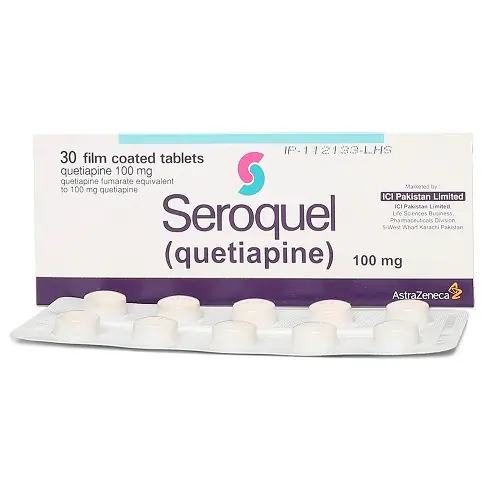
Seroquel (Quetiapine) in the United States: The Most Detailed Patient Guide
Can Seroquel be obtained without a prescription in the United States?
No, Seroquel (quetiapine) is a prescription-only medication in the United States. It cannot be legally purchased or dispensed without a valid prescription from a licensed healthcare provider.
Key Takeaways: What Every Patient Should Know About Seroquel
- Seroquel is primarily prescribed for conditions such as schizophrenia, bipolar disorder, and major depressive disorder augmentation, under strict medical supervision.
- It is not approved for insomnia or anxiety alone and should only be used for FDA-approved indications unless otherwise directed by a psychiatrist.
- A prescription is required in every state, and Seroquel is dispensed only through licensed pharmacies or certified telemedicine platforms.
- Patients may notice effects within days for agitation, but full therapeutic benefit typically appears after several weeks of consistent use.
- Key safety consideration: Seroquel carries a U.S. FDA Black Box Warning for increased mortality in elderly patients with dementia-related psychosis and for risks of suicidality in younger populations.
- If you experience sudden confusion, high fever, muscle stiffness, or uncontrollable movements, seek emergency care immediately.
How Seroquel Works: Its Mechanism of Action Explained
Seroquel’s active ingredient, quetiapine, is classified as an atypical antipsychotic. It functions primarily by antagonizing (blocking) several key neurotransmitter receptors in the brain:
- Dopamine D2 Receptors: By partially blocking these receptors, Seroquel reduces excessive dopamine activity—a feature linked to psychosis and mania.
- Serotonin 5-HT2A and 5-HT1A Receptors: Seroquel modulates serotonergic signaling, which is believed to help balance mood and anxiety and reduce extrapyramidal side effects compared to older antipsychotics.
- Histamine H1, Adrenergic α1 and α2, and Muscarinic Receptors: This broad receptor activity can explain other effects, such as sedation, orthostatic hypotension (drop in blood pressure when standing), and anticholinergic side effects (like dry mouth).
At therapeutic doses, Seroquel’s effect is not strictly dose-proportional for all symptoms; for example, lower doses (25–200 mg/day) primarily affect serotonin pathways and may be used for depression augmentation, while higher doses (>300 mg/day) are needed for antipsychotic effects.
Simple metaphor: Think of Seroquel as a “traffic controller” in the brain, redirecting chemical signals that are too loud (dopamine) or too erratic (serotonin), while sometimes dimming other signals (histamine, acetylcholine) as a side effect.
Seroquel works independently and does not require any specific dietary or behavioral triggers to be effective; its action is based on its presence at sufficient blood levels.
Note: The exact way Seroquel improves mood and reduces psychotic or manic symptoms remains partially understood, as is common with CNS medications.
Why Many Patients Overestimate How Quickly Seroquel Will Change Their Lives
Physician Expert Commentary:
One of the most frequent misconceptions I encounter is the belief that Seroquel will “fix” symptoms almost overnight, or that it will bring dramatic improvement regardless of the underlying diagnosis. Patients sometimes expect that sleep, mood, and agitation will all resolve rapidly and completely. In reality, meaningful changes in psychosis, mania, or depression often take one to several weeks, and the initial drowsiness shouldn’t be mistaken for full clinical improvement. Additionally, many don’t realize that antipsychotic and mood-stabilizing benefits depend on taking the medication consistently, not just as needed. Another challenge is that people rarely ask about long-term management—such as metabolic monitoring or risk of weight gain—until issues have already developed. My advice: set realistic expectations, stay engaged with your care team, and ask questions about both immediate and future effects before starting therapy.
How to Take Seroquel: Dosing, Timing, and Duration of Effect
Seroquel dosing varies significantly depending on the diagnosis, the patient’s age, and other individual factors. Only a licensed prescriber can determine your exact regimen. However, typical starting and maintenance doses are as follows:
- Schizophrenia (Adults): Usually initiated at 50 mg twice daily, increased in increments of 100 mg/day to a typical target range of 300–400 mg per day, divided into 2–3 doses.
- Bipolar Depression: Common starting dose is 50 mg once daily, titrated to 300 mg/day by day 4.
- Bipolar Mania: Initial dose often 100 mg twice daily, with gradual titration.
- Major Depressive Disorder Augmentation: Lower doses (typically 150–300 mg/day) as add-on therapy.
- Elderly Patients: Start at the lowest possible dose, titrated slowly, due to higher risk of side effects.
- Children and Adolescents: Seroquel is FDA-approved for select pediatric uses but regimens are highly individualized and require specialist supervision.
Maximum daily dose: Should not exceed 800 mg for adults.
Peak effects: Sedative effects may begin within 1–2 hours of dosing. Antipsychotic and mood-stabilizing effects typically require days to weeks of consistent therapy.
Formulations: Seroquel is available in immediate-release (IR) and extended-release (XR) tablets. Do not split extended-release tablets; immediate-release tablets may be split if scored, but always consult your pharmacist first.
Dose adjustments may be needed for people with liver impairment or in the elderly. Stopping Seroquel abruptly can cause withdrawal symptoms—always taper under medical supervision.
Food, Alcohol, and Lifestyle: What Affects Seroquel’s Efficacy?
- Food: For immediate-release tablets, food does not significantly affect absorption, but taking with a light meal may reduce stomach upset. Extended-release tablets should be taken without food or with a small meal, as high-fat meals can increase absorption and the risk of side effects (FDA).
- Grapefruit Juice: Strictly avoid grapefruit and grapefruit juice while taking Seroquel, as they inhibit CYP3A4 in the liver, raising blood quetiapine concentrations and increasing risk of toxicity.
- Alcohol: Alcohol should be avoided entirely (not just limited) with Seroquel due to additive central nervous system depression, increased sedation, and risk of impaired judgment.
- Caffeine and Nicotine: Caffeine has no direct interaction, but nicotine may lower Seroquel blood levels by inducing liver enzymes, potentially weakening its effect.
Myth vs Reality: Myth: Seroquel is safe with moderate alcohol. Reality: Even small amounts of alcohol can dangerously increase sedation and risk of falls or respiratory depression.
Who Should Not Take Seroquel? Absolute and Relative Contraindications
- Absolute Contraindications (Never Use):
-
- Known allergy to quetiapine or any ingredient in Seroquel (including excipients such as lactose or certain dyes).
- Concomitant use with potent CYP3A4 inhibitors (e.g., ketoconazole, clarithromycin, certain HIV protease inhibitors), unless benefits outweigh risks.
- Current use of Seroquel for dementia-related psychosis in elderly patients due to increased mortality risk (Black Box Warning).
- Relative Contraindications (Use with Caution):
-
- Cardiovascular disease: Especially arrhythmias or recent heart attack. Seroquel can prolong the QT interval, increasing risk of dangerous arrhythmias.
- History of seizures: Seroquel lowers seizure threshold.
- Severe hepatic impairment: Dose adjustment or alternative therapy may be needed.
- Diabetes or metabolic syndrome: Seroquel increases risk of hyperglycemia and weight gain.
- Orthostatic hypotension: Risk of falls, especially in older adults.
- Pregnancy and lactation: Only if benefits clearly outweigh risks; not first-line in pregnancy.
If you have recently suffered a heart attack, stroke, or severe infection, consult your doctor before considering Seroquel therapy.
What Side Effects Are Most Common with Seroquel?
Side effects are grouped according to frequency based on data from large clinical trials and FDA post-marketing surveillance (FDA, PubMed):
- Very Common (>1 in 10):
-
- Drowsiness/sedation
- Dry mouth
- Dizziness
- Weight gain
- Increased appetite
- Common (1 in 100 to 1 in 10):
-
- Constipation
- Orthostatic hypotension (drop in blood pressure on standing)
- Elevated cholesterol or triglycerides
- Restlessness or agitation
- Headache
- Abnormal liver function tests
- Rare (1 in 10,000 to 1 in 1,000):
-
- Seizures
- Priapism (prolonged painful erection)
- Neuroleptic malignant syndrome (fever, muscle rigidity, confusion)
- Severe allergic reactions
- Sudden unexplained death (usually in patients with severe cardiovascular risk)
- Very Rare (<1 in 10,000):
-
- Agranulocytosis (dangerous drop in white blood cell count)
- Severe liver failure
- Pancreatitis
- Severe skin reactions (e.g., Stevens-Johnson syndrome)
If you experience high fever, severe confusion, muscle stiffness, or uncontrollable movements, seek emergency medical attention immediately.
Sedation and weight gain are dose-dependent and tend to occur early. Metabolic side effects (weight gain, diabetes) may develop over weeks to months.
What to do if you experience side effects: Do not stop Seroquel abruptly. Contact your prescribing doctor for guidance. For mild side effects, dose adjustments may help; for severe reactions, emergency medical attention may be needed.
Common Pitfalls in Seroquel Therapy: Errors to Avoid for Best Results
- Taking Seroquel only as needed for insomnia: Many patients attempt to use Seroquel “as needed” for sleep, which can lead to suboptimal control of underlying psychiatric symptoms and increased risk of side effects. Seroquel is not approved for insomnia monotherapy and should be used as prescribed.
- Stopping abruptly due to drowsiness or weight gain: Immediate discontinuation may trigger withdrawal symptoms or symptom rebound. Always discuss tapering with your physician.
- Ignoring scheduled lab monitoring: Skipping recommended blood tests (for glucose, lipids, or liver function) can allow serious complications to go unnoticed. Set reminders and attend all follow-up appointments.
- Not reporting new or unusual movements: Some patients dismiss involuntary muscle spasms or restlessness, not realizing these can signal rare but serious side effects requiring immediate attention.
- Using with alcohol or sedatives: Combining Seroquel with other central nervous system depressants (like alcohol, benzodiazepines, or opioids) can cause severe sedation and respiratory depression.
- Sharing medication: Never share Seroquel, even with family members who appear to have similar symptoms.
- Misunderstanding generic vs branded tablets: Switching between forms without physician approval can affect blood levels and symptom control.
How Does Seroquel Compare to Other Antipsychotic Medications?
The following table compares Seroquel (quetiapine) to two commonly prescribed atypical antipsychotics: risperidone and aripiprazole, based on U.S. market data (2026):
| Feature | Seroquel (Quetiapine) | Risperidone | Aripiprazole |
|---|---|---|---|
| Onset of Action (for acute symptoms) | Several days to 2 weeks | Rapid (2-7 days) | Rapid (2-7 days) |
| Duration (half-life) | 6-7 hours (IR), 12 hours (XR) | 20 hours | 75 hours |
| Most Common Side Effects | Drowsiness, weight gain, metabolic changes | Prolactin elevation, sexual dysfunction, movement disorders | Akathisia (restlessness), insomnia |
| FDA Black Box Warnings | Yes (elderly dementia, suicidality) | Yes (elderly dementia, suicidality) | Yes (elderly dementia, suicidality) |
| Estimated Cost (Generic, 30 tablets, 100 mg) | $20–50 | $15–30 | $30–60 |
| Approved Pediatric Use | Yes (select diagnoses) | Yes | Yes |
Bottom line: Seroquel is less likely than risperidone to cause movement disorders or prolactin-related side effects but is more likely to cause sedation and weight gain. Aripiprazole has a lower risk of metabolic side effects but may cause agitation or restlessness in some patients.
Seroquel: Technical and Reference Information (U.S. Market)
| Parameter | Value |
| Active ingredient | Quetiapine fumarate |
| Available strengths (U.S.) | 25 mg, 50 mg, 100 mg, 150 mg, 200 mg, 300 mg, 400 mg |
| Formulations | Immediate-release (IR) tablets; Extended-release (XR) tablets |
| Storage | Room temperature; protect from moisture and light |
| Manufacturer (original) | AstraZeneca |
| Generic availability | Yes (multiple manufacturers) |
| Controlled substance? | No (not scheduled) |
| Prescription required? | Yes (federally and in every state) |
Compatibility Check: Seroquel with Other Medications and Substances
| Type of Product | Can it be combined? | Consequences |
|---|---|---|
| SSRIs (e.g., sertraline, fluoxetine) | Yes, with monitoring | May increase sedation, serotonin syndrome risk |
| Benzodiazepines (e.g., lorazepam) | Yes, with caution | Increased sedation, fall risk |
| Antihypertensives | Yes, monitor BP | Possible additive hypotension |
| Grapefruit juice | NO | Increases Seroquel blood levels, toxicity risk |
| Alcohol | NO | Severe sedation, respiratory depression |
| Carbamazepine (CYP3A4 inducer) | NO | Decreases Seroquel effectiveness |
How to Obtain Seroquel Legally in the United States: Step-by-Step Guide
- Schedule a medical consultation with a psychiatrist, primary care provider, or licensed mental health specialist. Telehealth appointments are available in most states.
- Undergo a thorough assessment including medical history, symptom discussion, and (if indicated) physical examination and laboratory screening.
- If Seroquel is appropriate, your provider will issue an electronic or paper prescription—valid for filling at any licensed pharmacy nationwide.
- Fill your prescription at a local pharmacy or use a verified mail-order or telepharmacy service (see below on online pharmacy safety).
- Attend scheduled follow-ups to monitor efficacy, side effects, and laboratory results. Dose adjustments may be needed over time.
Tip: If you are switching pharmacies or telemedicine providers, ensure your prescription is transferred securely to avoid interruptions in therapy.
Staying Safe When Using Online Pharmacies in the United States
- Only use online pharmacies that are certified by the National Association of Boards of Pharmacy (NABP) and carry the .pharmacy verified website seal.
- Beware of websites offering Seroquel without a prescription—these are operating illegally and their products may be counterfeit, expired, or dangerous.
- Check for a valid U.S. business address and pharmacy license number on the website.
- Avoid online sellers with prices far below normal U.S. pharmacy rates—this is a common sign of counterfeit or substandard medicines.
- Report suspicious websites to the FDA’s MedWatch or NABP for investigation.
For more information, visit FDA: Buying Medicine Over the Internet.
How to Distinguish Genuine Seroquel from Counterfeits and Generics: What to Look For
- Original Seroquel tablets (AstraZeneca): Uniform color (often white, yellow, or peach depending on strength), clear imprint of dose and manufacturer code, and professional blister packaging with U.S. NDC (National Drug Code).
- Packaging: Each carton and blister should have a unique batch number, expiration date, and sometimes a tamper-evident seal or QR code for verification (recent updates by major U.S. manufacturers and distributors).
- Unusually low prices or “international” packaging (different artwork, non-U.S. labeling, missing NDC) are warning signs of counterfeit or unapproved imports.
- If you suspect a counterfeit: Contact your pharmacist and report to the FDA’s Office of Criminal Investigations.
- Generics: FDA-approved generic quetiapine is legally and therapeutically equivalent to Seroquel; differences may include inert ingredients (excipients), tablet color, and imprint. Generics offer significant cost savings with no loss of efficacy when manufactured by reputable U.S. companies.
- Allergic reactions to inactive ingredients are possible (e.g., dyes, binders). Consult your pharmacist about the excipients in your specific generic product if you have known allergies.
Quality Check: Authentic Seroquel or generic quetiapine tablets have a consistent shape and color, are free from chips or discoloration, and are packaged in tamper-evident blisters or bottles with full U.S. labeling. Never use loose tablets provided without original packaging.
How Seroquel Is Processed and Metabolized in Your Body
Seroquel is absorbed orally, reaches peak blood concentrations within 1.5 hours for immediate-release and about 5 hours for extended-release forms. It is primarily metabolized in the liver via the CYP3A4 enzyme system and is then excreted through the urine (73%) and feces (20%).
Elimination half-life: 6–7 hours for immediate-release tablets; 12 hours for extended-release tablets. This means regular dosing is needed to maintain stable blood levels.
For patients with significant liver impairment, dose adjustments are necessary, and blood level monitoring may be advised.
Special Considerations: Driving, Pregnancy, and Chronic Conditions
- Driving and operating machinery: Seroquel frequently causes drowsiness, delayed reaction times, and impaired judgment. Do not drive or operate heavy machinery until you know how the medication affects you.
- Pregnancy and breastfeeding: Use only if clearly necessary and prescribed by your doctor. Seroquel passes into breast milk; risks vs benefits must be weighed. There is no strong evidence associating quetiapine with birth defects, but neonatal withdrawal may occur (MotherToBaby).
- Chronic liver or kidney disease: Lower starting doses and close monitoring are recommended. Seroquel is not significantly removed by dialysis.
- Older adults: Increased sensitivity to side effects (especially confusion, falls, low blood pressure). Dementia-related psychosis: increased mortality risk—avoid use unless specifically directed by a specialist.
- Fertility: No evidence of direct effect on fertility, but indirect effects (weight gain, hormonal changes) are possible.
You’re Not Alone: Psychological Support and Next Steps
Mental health conditions that require Seroquel—such as schizophrenia, bipolar disorder, or severe depression—are common and manageable. Many people feel isolated, anxious, or ashamed about their diagnosis or medication. Remember: seeking support from a qualified mental health professional, family, or peer groups can make a significant difference in recovery and quality of life. If you have concerns about your diagnosis or treatment, consider discussing them openly with your care team or a trusted support network.
What to Do in Case of Seroquel Overdose
- Stop taking the medication immediately.
- Call emergency services (911) in the United States without delay.
- Provide the responding medical professionals with details: the dose, timing, and any other drugs or substances taken.
- Do not attempt to induce vomiting unless specifically instructed by a healthcare provider.
- Stay with the patient and monitor for symptoms such as confusion, severe drowsiness, rapid or irregular heartbeat, seizures, or difficulty breathing.
Overdose can be fatal, especially when combined with alcohol or other sedative drugs.
Questions Patients Most Often Ask Doctors About Seroquel Therapy
- How will I know if Seroquel is working for me?
- Typically, improvements in sleep and agitation may be noticed within the first week, but core mood or psychotic symptoms often take 2–6 weeks to show meaningful change. Monitoring involves regular assessment of both symptoms and side effects, ideally with input from both the patient and family or caregivers.
- Can I use Seroquel for anxiety or insomnia alone?
- Seroquel is not FDA-approved for primary anxiety or sleep disorders. While some off-label use occurs, these are not evidence-based indications and carry unnecessary risks. Safer, better-proven alternatives are available for these symptoms.
- What should I expect at my first follow-up appointment?
- We will review how you’re feeling, check for any side effects, and may order blood tests to monitor glucose, cholesterol, and liver function. Dose adjustments may be made based on your response and tolerance.
- Do I need to have regular blood work or checkups?
- Yes. Baseline and periodic monitoring of blood sugar, cholesterol, triglycerides, and liver function are standard recommendations due to Seroquel’s metabolic effects. Your doctor will set a schedule appropriate for your risk level.
- Can I switch between generic quetiapine and branded Seroquel?
- Yes, provided both are FDA-approved. However, subtle differences in absorption or inactive ingredients may affect tolerability. Notify your physician if you notice any new symptoms after switching.
- Is weight gain inevitable with Seroquel?
- Weight gain is common but not universal. Adopting a balanced diet and regular physical activity from the start can help prevent excessive gain. If weight increases rapidly or becomes problematic, discuss alternatives with your doctor.
- If I feel better, can I stop Seroquel on my own?
- No. Sudden discontinuation can cause withdrawal symptoms and a rapid return of psychiatric symptoms. Always consult your prescriber before making any changes to your medication regimen.
Clinical Assessment by a Psychiatrist: Who Benefits Most from Seroquel, and When Should Alternatives Be Considered?
In my clinical practice, Seroquel is particularly valuable for adults with schizophrenia or bipolar disorder who need a medication with both antipsychotic and mood-stabilizing effects and for certain cases of treatment-resistant depression as an adjunct. It is best suited for individuals who can tolerate its sedative and metabolic profile—those who do not have major cardiovascular, hepatic, or severe metabolic risks. Conversely, I am cautious about prescribing Seroquel to patients with significant obesity, uncontrolled diabetes, or high cardiovascular risk given the potential for weight gain, dyslipidemia, and blood pressure effects. For older adults with dementia, I avoid Seroquel whenever possible due to the risk of sudden death and cerebrovascular events. In patients who prioritize minimal sedation, alternatives like aripiprazole may be more appropriate. Ultimately, the decision to use Seroquel involves careful evaluation of the benefit-risk profile, ongoing monitoring, and regular reassessment, as individual responses and side effects can change over time. Alternative or adjunctive therapies (psychotherapy, social support, or other medications) should always be considered as part of a holistic treatment plan.
Frequently Asked Questions (FAQ)
- Is Seroquel effective for anxiety or insomnia alone?
- No, Seroquel is not FDA-approved for anxiety or insomnia alone, and such use carries unnecessary risks. Always consult your doctor for approved indications.
- What is the average cost of Seroquel in the United States?
- The price for generic quetiapine (100 mg, 30 tablets) typically ranges from $20 to $50, while branded Seroquel can be higher. Costs vary by pharmacy, insurance coverage, and dosage.
- Does Seroquel have to be taken with food?
- Immediate-release tablets can be taken with or without food. Extended-release tablets should be taken without food or with a light meal to avoid increased absorption and side effects.
- Is Seroquel available as a generic?
- Yes, generic quetiapine is widely available in the United States and is therapeutically equivalent to branded Seroquel when approved by the FDA.
- Can I get Seroquel delivered to my home?
- Yes, if you have a valid prescription, Seroquel can be dispensed by licensed mail-order or telepharmacies operating within U.S. law. Always verify pharmacy accreditation before ordering.
- How long does it take for Seroquel to start working?
- Some effects (like sedation) may begin with the first dose. Antipsychotic and mood-stabilizing benefits typically develop over several days to weeks.
- What should I do if I miss a dose?
- Take the missed dose as soon as you remember unless it is almost time for your next dose. Do not double up. Contact your doctor if you miss multiple doses.
- Can Seroquel cause addiction or dependence?
- Seroquel is not classified as a controlled substance and is not considered addictive in the traditional sense. However, abrupt discontinuation may cause withdrawal symptoms; tapering is always recommended.
- What are the most serious risks associated with Seroquel?
- Serious risks include neuroleptic malignant syndrome, severe metabolic changes (weight gain, diabetes), movement disorders, and increased mortality in elderly patients with dementia-related psychosis.
- Can I take Seroquel with antidepressants?
- Yes, Seroquel is sometimes used as an adjunct to antidepressants in major depressive disorder. Drug interactions are possible; your physician will monitor you closely.
References
- U.S. Food and Drug Administration (FDA). Seroquel (quetiapine fumarate) prescribing information. Accessed 2026. https://www.accessdata.fda.gov/
- National Alliance on Mental Illness (NAMI). Quetiapine (Seroquel). Accessed 2026. https://www.nami.org/About-Mental-Illness/Treatments/Mental-Health-Medications/Types-of-Medication/Quetiapine-(Seroquel)
- Mayo Clinic. Quetiapine (Oral Route) Description and Brand Names. Accessed 2026. https://www.mayoclinic.org/drugs-supplements/quetiapine-oral-route/description/drg-20066912
- National Association of Boards of Pharmacy (NABP). Buying Medicine Online Safely. Accessed 2026. https://nabp.pharmacy/
- PubMed. Quetiapine clinical trials and reviews (latest 2024-2026). Accessed 2026. https://pubmed.ncbi.nlm.nih.gov/
- MotherToBaby. Quetiapine (Seroquel) and Pregnancy. Accessed 2026. https://mothertobaby.org/
- ClinicalTrials.gov. Seroquel (Quetiapine) Ongoing Trials. Accessed 2026. https://clinicaltrials.gov/
- American Psychiatric Association. Practice Guideline for the Treatment of Patients With Schizophrenia. Accessed 2026. https://psychiatry.org/