

- Home/
- Buy Doxycycline in Online Pharmacy in the United States Today
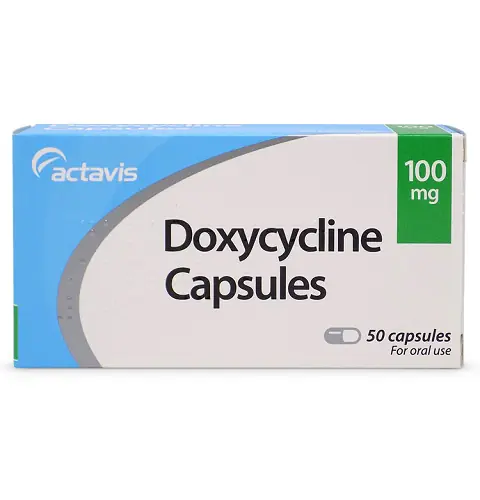
Doxycycline in the United States: The Definitive Expert Guide (2026)
Key Doxycycline Facts (Summary Table)
| Parameter | Details (2026, US) |
|---|---|
| Active Ingredient | Doxycycline (as doxycycline hyclate or monohydrate) |
| Drug Class | Tetracycline antibiotic |
| Main Uses | Bacterial infections (respiratory, skin, sexually transmitted, Lyme disease, malaria prevention) |
| Prescription Status | Prescription required (Rx only) |
| Onset of Action | Within hours for some infections; clinical improvement seen within 24–72 hours |
| Contraindications | Children <8 yrs, pregnancy (unless benefit outweighs risk), severe liver failure, allergy to tetracyclines |
| Common Side Effects | GI upset, sun sensitivity, esophageal irritation |
| Availability | US pharmacies (retail & telehealth), with prescription only |
| Insurance Coverage | Most US plans cover generic doxycycline; copay varies |
Bottom line: Doxycycline is a widely used, effective antibiotic for many infections, but must be used under a doctor’s supervision in the United States.
Can You Buy Doxycycline Without a Prescription in the US?
The US Food and Drug Administration (FDA) classifies Doxycycline as a prescription-only medication. This regulation is designed to protect patients from inappropriate use, resistance, and potentially dangerous side effects. US pharmacies (both brick-and-mortar and online) require a valid prescription from a licensed healthcare provider.
Attempting to buy Doxycycline without a prescription—especially from unverified foreign or online sources—is illegal and risky. Counterfeit or substandard antibiotics can cause harm, fail to treat infection, or fuel antibiotic resistance.
“A prescription is not just bureaucracy—it’s a safety net.”
How Does Doxycycline Work? (Pharmacology Explained)
Doxycycline is a member of the tetracycline antibiotic class. Its main mechanism is inhibition of bacterial protein synthesis. Specifically, Doxycycline binds reversibly to the bacterial 30S ribosomal subunit, blocking the attachment of aminoacyl-tRNA to the ribosomal acceptor site. This halts the addition of new amino acids to the growing peptide chain, effectively stopping bacterial growth.
- Type: Bacteriostatic (prevents growth, does not directly kill bacteria)
- Target: Broad spectrum (gram-positive and gram-negative bacteria, some atypical pathogens)
- Requires: Bacterial infection; does not treat viral illnesses
Does Doxycycline need to be taken with food? Absorption can be affected by certain minerals (see below), but the medication itself does not require specific triggers like food or other drugs to work.
Note: Bacterial resistance to Doxycycline can develop, which is why responsible, doctor-guided use is essential.
Latest Evidence: A 2024 multicenter US study (see References) confirmed Doxycycline remains highly effective for community-acquired respiratory tract infections, with over 85% bacterial clearance rates.
What Is the Proper Way to Take Doxycycline?
- Standard Adult Dose
- 100 mg twice daily (every 12 hours), or as a single 200 mg daily dose, depending on infection type.
- Duration
- Typically 7–14 days; some conditions (e.g., Lyme disease, malaria prophylaxis) require different durations.
- How to Take
- Swallow capsule/tablet whole with at least 8 ounces (240 mL) of water. Stay upright for at least 30 minutes after taking. Avoid taking at bedtime or before lying down to prevent throat irritation.
- Maximum Dose
- Do not exceed 200 mg per day without medical supervision.
- Can Tablets Be Split?
- Some tablets are scored and can be split, but check with your pharmacist as not all formulations are intended to be split.
- Modified Doses
- Children >8 years: Dose adjusted by weight. Elderly and patients with mild renal impairment: Usually no change needed unless severe impairment—doctor will decide.
Peak Effect: Blood levels are typically highest 2–3 hours after dosing. Most people feel symptom relief within 24–72 hours, though full infection resolution requires completing the full course—even if you feel better sooner.
Never stop Doxycycline early unless directed by your doctor—even if you feel better. Stopping early can lead to relapse and antibiotic resistance.
How Do Food, Alcohol, and Lifestyle Affect Doxycycline?
| Interaction | Effect | Advice |
|---|---|---|
| Food | Absorption may be reduced slightly by food but often well tolerated with a light meal. | Can take with food to reduce stomach upset; avoid milk/dairy within 1–2 hours of dose. |
| Calcium, Magnesium, Iron, Zinc supplements | Form insoluble complexes; reduce absorption. | Avoid antacids, supplements, or dairy within 2 hours of taking. |
| Alcohol | May reduce effectiveness, increase liver risks (especially with heavy or chronic alcohol use). | Occasional small amounts generally safe, but avoid heavy drinking. |
| Grapefruit juice | No significant documented interaction (unlike many other drugs). | No restriction, but check for other meds you may be taking. |
| Sunlight/UV | Increased risk of sunburn (photosensitivity). | Use sunscreen, wear protective clothing, limit sun exposure. |
Myth vs. Reality: Myth: “Doxycycline can’t be taken with any food.” Reality: A light meal is often fine; just avoid dairy and antacids close to dosing.
Who Should Not Take Doxycycline?
- Known allergy to Doxycycline or other tetracycline antibiotics
- Children under 8 years old (risk of permanent tooth discoloration and bone growth inhibition)
- Pregnancy (especially 2nd/3rd trimester) unless benefits outweigh risks
- Severe liver impairment or active severe liver disease
- Breastfeeding (enters breast milk—consult your OB/GYN)
- History of esophageal reflux or ulcers (risk of irritation)
- Moderate kidney/liver disorders (doctor may monitor liver/kidney function)
- Known photosensitivity reactions (increased risk of sunburns)
Why not for young children? Doxycycline binds to calcium in developing teeth and bones, causing discoloration and potentially affecting growth.
What about people with chronic conditions? Dose adjustment is rarely needed for mild kidney issues but may be required for severe liver problems.
Cardiovascular risk: No direct effect on heart rhythm, but severe infection may worsen heart problems.
What Side Effects Are Most Common with Doxycycline?
- Gastrointestinal upset (nausea, vomiting, diarrhea)
- Sun sensitivity (photosensitivity; increased risk of sunburn)
- Heartburn, esophageal irritation
- Loss of appetite
- Headache
- Mild skin rash
- Severe allergic reactions (anaphylaxis, facial swelling)
- Severe skin reactions (Stevens-Johnson Syndrome, very rare)
- Liver inflammation (hepatitis)
- Clostridioides difficile–associated diarrhea (potentially serious)
- Permanent tooth discoloration (if used in young children)
- Blood disorders
- Vision changes due to increased intracranial pressure (rare)
What to do if you experience side effects?
- Mild: Take with food (not dairy) to reduce stomach upset. Stay upright after dosing.
- Severe or allergic: Stop medication and seek emergency medical attention immediately.
Bottom line: Most side effects are mild and manageable, but serious reactions, though rare, require immediate care. If in doubt, talk to your pharmacist or doctor.
How Does Doxycycline Compare to Other Antibiotics?
| Parameter | Doxycycline | Amoxicillin | Azithromycin |
|---|---|---|---|
| Class | Tetracycline | Penicillin | Macrolide |
| Usual Dose | 100 mg 2x/day | 500 mg 3x/day | 500 mg once, then 250 mg x4 days |
| Onset of Action | 24–48 hours | 24 hours | 24 hours |
| Coverage | Broad (respiratory, atypicals, some STIs, tick-borne, acne) | Respiratory, ear, sinus, some urinary | Respiratory, STIs, some atypicals |
| Major Side Effects | GI upset, sunburn, reflux | Rash, allergy, GI upset | GI upset, QT prolongation |
| Price (generic, US, 2026) | $10–$40/10 days | $4–$15/10 days | $20–$60/5 days |
| Prescription Required? | Yes | Yes | Yes |
Expert Commentary: Doxycycline stands out for its effectiveness against atypical pathogens, tick-borne illnesses (like Lyme disease), and certain sexually transmitted infections. However, it is not always first-line for respiratory infections if there is a high risk of resistance or when a penicillin-class antibiotic is preferred. Cost is generally low for generics, and its once- or twice-daily dosing increases convenience.
Key Characteristics Table: Doxycycline at a Glance
| Characteristic | Details |
|---|---|
| Absorption | High oral bioavailability (up to 95%) |
| Peak Plasma Time | 2–3 hours after dosing |
| Half-life (T1/2) | 18–22 hours (long-acting within class) |
| Metabolism | Minimal liver metabolism; mostly excreted in urine and bile |
| Excretion | Renal (~40%) and fecal (~60%) |
| Formulations | Capsule, tablet, suspension (liquid), IV (hospital use) |
| Special Populations | Adjust only in severe liver/kidney impairment; avoid in pregnancy and young children |
Brief Interpretation: Doxycycline is long-acting and convenient, with little dose adjustment needed for most adults. Its favorable pharmacokinetics mean you rarely need to worry about complex interactions, except with certain minerals (see above).
Step-by-Step: How to Get Doxycycline Legally in the US
- Consult a Healthcare Provider: Schedule an appointment with your primary care doctor, a walk-in clinic (e.g., in New York City or Dallas), or use a licensed telehealth service.
- Assessment: The provider will evaluate your symptoms, medical history, and determine if Doxycycline is appropriate.
- Prescription: If indicated, you’ll receive an electronic prescription (e-prescription) sent directly to your chosen US pharmacy.
- Choose Your Pharmacy: Fill your prescription at a local, chain, or verified online pharmacy. Major US pharmacy chains (CVS, Walgreens, Rite Aid) and legitimate online providers are acceptable.
- Insurance: Most US insurance plans cover Doxycycline; verify copay/costs.
- Pick Up or Receive Delivery: Collect in-person, or, if using a telemedicine service, have it shipped directly to your home from a licensed US pharmacy.
Important: In the US, a telehealth visit is valid for antibiotic prescriptions, but you must confirm the service is licensed in your state. Avoid websites offering antibiotics without a prescription—they are illegal and unsafe.
How to Spot Counterfeit Doxycycline in the US
- Packaging: US-approved Doxycycline will have clear labeling, a lot number, and expiration date. Look for “NDC” (National Drug Code) on the box or bottle.
- Pill Appearance: Tablets/capsules should be uniform in color, size, and markings. Pharmacies may provide generic versions with different shapes/colors—ask your pharmacist if in doubt.
- Security Features: Some packaging includes a QR code or holographic seal. US pharmacies should not dispense loose pills in unmarked containers.
- Price: Suspiciously low prices (especially online) may indicate counterfeits.
- Source: Only use licensed US pharmacies (local or online with VIPPS or NABP certification). Verify at safe.pharmacy.
If you suspect your medication is counterfeit: Do not take it. Contact your pharmacy and the FDA’s MedWatch program (MedWatch).
What to Do in Case of Doxycycline Overdose
- Stop taking Doxycycline immediately.
- Call US emergency services (911) or Poison Control (1-800-222-1222) without delay.
- Provide details: drug name, dose, time taken, and any symptoms.
- Do not induce vomiting unless instructed by a medical professional.
- Keep the medication container for reference.
Symptoms of overdose: severe nausea/vomiting, confusion, liver or kidney injury, allergic reactions.
Bottom line: Always follow dosing exactly as prescribed. Overdose is rare but potentially serious.
Special Considerations: Older Adults, Pregnancy, Chronic Illness
- Older Adults: No routine dose adjustment for age alone. Monitor for GI side effects and hydration status (higher risk of esophagitis).
- Pregnancy: Generally avoided except in rare/life-threatening infections when no alternative exists (risk of fetal bone/teeth development issues, especially after first trimester).
- Breastfeeding: Enters breast milk; usually avoided, but consult your doctor for risk/benefit analysis.
- Liver/Kidney Disease: Use with caution. Severe impairment may require alternative antibiotics; discuss with your provider.
- Children: Not given under age 8 except for serious infections when alternatives are unavailable.
- Driving/Operating Machinery: No direct impairment reported, but severe side effects (headache, dizziness) require caution.
- Fertility: No evidence of infertility risk at standard doses.
Clinical guidelines (CDC, IDSA) in the US are clear: Use Doxycycline only when indicated and under appropriate supervision for these groups.
Doxycycline Generics vs. Brand: Is There a Difference?
- Inactive ingredients (excipients) may vary and can rarely cause allergies.
- Pill color, shape, markings may differ.
- Cost savings are significant: generics may cost 50–90% less in the US.
- Therapeutic effect is equivalent if sourced from an FDA-approved US pharmacy.
Bottom line: For most people, there is no clinical difference between generic and branded Doxycycline in the United States. Always inform your pharmacist about allergies to pill dyes or excipients.
Compatibility Check: Doxycycline and Other Medications
| Drug/Product | Can it be combined? | Consequences/Advice |
|---|---|---|
| Oral contraceptives | Usually yes | Rarely reduces efficacy; backup contraception recommended in rare cases of GI upset |
| Antacids (calcium, magnesium) | No | Reduces absorption—separate doses by at least 2 hours |
| Warfarin | With caution | May increase bleeding risk—monitor INR closely |
| Isotretinoin (acne meds) | Avoid | Increased risk of intracranial hypertension |
| Alcohol | Occasional | Heavy use increases liver risk; occasional use usually safe |
| Milk/dairy | No (at same time) | Delays/reduces absorption—separate by 2 hours |
Always inform your healthcare provider and pharmacist of all medicines and supplements you use.
Empathy & Support: You’re Not Alone
Facing a bacterial infection—or uncertainty about antibiotics—can be stressful. You’re not alone. Millions of Americans use Doxycycline every year. Most recover quickly with the right treatment.
Remember: Some infections can have psychological effects or impact mood and energy. Don’t hesitate to discuss your concerns with your doctor, pharmacist, or a mental health professional. It’s a sign of strength, not weakness, to ask for support.
Frequently Asked Questions (FAQ)
- 1. Can I use Doxycycline for a viral infection, like a cold or flu?
- No. Doxycycline is only effective against bacterial infections and will not help with viruses like the common cold or influenza.
- 2. How quickly does Doxycycline start working?
- Symptom improvement often begins within 24–48 hours, but always finish the prescribed course even if you feel better sooner.
- 3. Is it safe to take Doxycycline during pregnancy?
- Generally, Doxycycline is avoided in pregnancy, especially after the first trimester, due to potential harm to fetal teeth and bones. Use only if no safer alternatives exist and under doctor supervision.
- 4. Can I drink milk or eat dairy while on Doxycycline?
- Not at the same time as dosing. Dairy reduces absorption; separate by at least 2 hours.
- 5. Is Doxycycline covered by US insurance?
- Most US insurance plans cover generic Doxycycline, but copays and deductibles vary. Check with your insurer or pharmacist.
- 6. What happens if I miss a dose?
- Take it as soon as you remember, unless it’s almost time for your next dose. Do not double up.
- 7. Can I drive or work after taking Doxycycline?
- For most people, yes. If you feel dizzy or have headaches, use caution and speak to your provider.
- 8. Is it illegal to order Doxycycline online without a prescription?
- Yes. In the United States, a prescription is legally required for Doxycycline. Websites offering it without one are breaking the law and may sell counterfeits.
References
- US Food and Drug Administration. Doxycycline Prescribing Information. Accessed June 2026. FDA Label
- Centers for Disease Control and Prevention (CDC). Antibiotic Use in the United States, 2025 Update. Accessed June 2026. CDC Antibiotic Use
- US National Institutes of Health. Doxycycline. PubMed Health Drug Summary. Accessed June 2026. PubMed Doxycycline
- Infectious Diseases Society of America (IDSA) Clinical Practice Guidelines: Community-acquired pneumonia in adults, 2024 update. IDSA Guidelines
- American Academy of Pediatrics. Doxycycline Use in Children: Updated Recommendations. Pediatrics, 2025. AAP Doxycycline
- FDA MedWatch Safety Alerts, 2026. MedWatch
Conclusion: Doxycycline is a versatile, effective antibiotic—but not a cure-all. In the United States, its use is strictly regulated for your protection. If you think you may need Doxycycline, connect with a licensed healthcare provider for an individualized assessment and avoid unregulated online sources. Your health—and the fight against antibiotic resistance—depend on it.
For personalized care, find a board-certified Infectious Diseases or Internal Medicine specialist in your area, or consult via a licensed telemedicine provider. Your pharmacist is also a valuable resource for questions about Doxycycline and safe medication practice.