

- Home/
- Buy Lasix in Online Pharmacy – Fast Shipping in United States
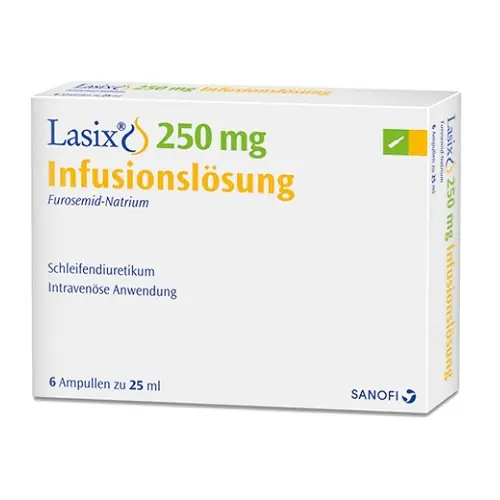
Lasix (Furosemide) in the United States: The Complete Evidence-Based Guide for Edema Treatment
Is Lasix Prescription-Only in the United States?
Yes, Lasix (furosemide) is a prescription medication in the United States. You must have a valid prescription from a licensed healthcare provider to obtain Lasix legally at any pharmacy, whether local or online. Purchasing Lasix without a prescription is illegal and unsafe in the U.S.
Summary: Key Facts about Lasix
- Active Ingredient: Furosemide
- Main Uses: Treatment of edema (fluid retention) due to heart failure, liver disease, kidney disease; also used for high blood pressure
- Prescription Status (U.S., 2026): Prescription only; cannot be bought without a doctor’s approval
- Onset of Action: Oral: 30–60 minutes; IV: within 5 minutes
- Main Contraindications: Severe electrolyte disturbances, anuria (no urine output), allergy to sulfonamides
- Typical Price Range (U.S.): $4–$20 per 30-tablet bottle (20mg, generic); branded versions may cost more
- Key Risk: Dehydration, electrolyte imbalance, especially with improper use
- Insurance Coverage: Often covered by Medicare, Medicaid, and private insurers with prescription
How Does Lasix Work? (Mechanism of Action Explained)
Lasix (furosemide) is classified as a loop diuretic. Diuretics are medications that increase the production of urine, helping your body remove excess fluid. Lasix works specifically by inhibiting the sodium-potassium-chloride (Na+-K+-2Cl–) co-transporter in the thick ascending limb of the loop of Henle in your kidneys.
Biochemically, this means Lasix blocks the reabsorption of sodium and chloride ions, causing more sodium (and, by extension, water) to be excreted in urine. Potassium is also lost to some extent. The result: reduction of fluid overload in tissues and the vascular system, which can relieve swelling (edema) and lower blood pressure.
Simplified Metaphor: Imagine your kidneys as a dam with a series of gates (the sodium pumps). Lasix opens the gates, letting water (and salts) out much faster, draining the reservoir.
It begins acting within 30-60 minutes when taken orally and 5 minutes when given intravenously. The effect lasts 6-8 hours, though this can vary by patient.
For detailed clinical pharmacology, see the FDA or PubMed sources.
Expert Commentary from doctor
As a clinician, one of the most frequent misconceptions I see is the assumption that “more Lasix will get rid of more swelling faster.” In reality, overdosing can rapidly deplete potassium and sodium levels, risking heart rhythm disturbances and kidney injury. Patients often miss critical lab monitoring—electrolytes must be checked before and during therapy, especially when other medications (like ACE inhibitors) are used. Another practical point: the timing matters—taking Lasix late in the day often leads to disrupted sleep from frequent urination. Lastly, not all swelling (edema) is a sign Lasix will help. It is crucial to determine the underlying cause, as inappropriate use can worsen some conditions.
How to Take Lasix: Dosage and Administration
| Indication | Typical Starting Dose (Adults) | Usual Maximum Daily Dose | Timing |
|---|---|---|---|
| Edema (oral) | 20–40 mg once daily; may increase by 20 mg increments | 600 mg/day (rare, hospital only) | Morning (to avoid night urination) |
| Hypertension (oral) | 40 mg twice daily | 80 mg twice daily | Morning and mid-afternoon |
- Peak effect: 1–2 hours after oral dose
- Duration: 6–8 hours
- Can the tablet be split? Most generic Lasix tablets can be split, but check the manufacturer’s leaflet before doing so. Some scored tablets are designed for splitting; unscored tablets may not distribute evenly.
- Dose adjustments: Elderly or those with kidney/liver impairment may need lower starting doses due to higher risk of dehydration and electrolyte imbalance. Always follow your doctor’s instructions.
Never adjust your dose without consulting your healthcare provider. Exceeding the maximum dose can cause life-threatening complications.
How Do Food, Alcohol, and Lifestyle Affect Lasix?
- Food: Taking Lasix with or without food does not significantly affect its absorption. However, heavy, fatty meals may delay onset by up to 30 minutes. If you experience stomach upset, take with a light meal.
- Alcohol: Combining Lasix with alcohol is not recommended. Alcohol can increase the risk of dehydration, worsen blood pressure drops, and make you dizzy or faint.
- Grapefruit juice: No significant interaction has been documented between Lasix and grapefruit juice, unlike with some other medications. However, always check with your provider about any dietary supplements or unusual diets.
- Physical activity: Vigorous exercise, hot weather, or sauna use can amplify fluid and electrolyte loss, increasing the risk of dehydration.
Bottom line: Maintain regular fluid and salt intake unless directed otherwise. Avoid combining Lasix with alcohol or other diuretics unless medically supervised.
Compatibility Table: Lasix and Other Medications
| Product Type | Can It Be Combined? | Possible Consequences |
|---|---|---|
| ACE Inhibitors (e.g., Lisinopril) | With caution | Increased risk of low blood pressure, kidney injury |
| NSAIDs (e.g., Ibuprofen) | Avoid if possible | May reduce Lasix’s effect, increase kidney risk |
| Potassium Supplements | Yes, if prescribed | Prevents low potassium |
| Digoxin | With monitoring | Low potassium increases digoxin toxicity risk |
| Antibiotics (certain types) | Case by case | Some may increase ototoxicity (hearing risk) |
| Other Diuretics | Rare, hospital-only | Severe electrolyte loss |
| Alcohol | No | Dehydration, fainting, kidney harm |
Always inform your provider of all supplements, over-the-counter drugs, and herbal products you use.
When Is Lasix Unsafe? (Absolute and Relative Contraindications)
- Absolute (Never Use):
-
- Anuria: Complete absence of urine output
- Severe electrolyte imbalances: Low potassium (hypokalemia), low sodium (hyponatremia) not yet corrected
- Severe dehydration
- Allergy to furosemide or sulfa drugs
- Hepatic coma or pre-coma
- Relative (Use Only If Benefits Outweigh Risks):
-
- Impaired liver or kidney function (moderate, not severe)
- Gout (Lasix can increase uric acid levels)
- Diabetes (risk of increased blood sugar)
- Pregnancy (only if essential, consult OB specialist)
- Low blood pressure or risk of falls
- Hearing impairment (risk of further hearing loss at high doses)
What happens if you take Lasix despite these contraindications?
Severe dehydration, cardiac arrhythmias, acute kidney injury, and even life-threatening complications may result. Always disclose your complete medical history before starting Lasix.
What Side Effects Are Most Common with Lasix?
| Frequency | Side Effect | Why It Happens |
|---|---|---|
| Very Common (>10%) | Increased urination, thirst, low potassium (hypokalemia), low sodium (hyponatremia) | Lasix increases urine output and excretion of electrolytes |
| Common (1-10%) | Low blood pressure (postural hypotension), dizziness, muscle cramps, dehydration | Rapid fluid and salt loss |
| Rare (0.01-1%) | Hearing changes (tinnitus, hearing loss, especially with IV use), increased blood sugar, gout | Ototoxicity at high doses, metabolic effects |
| Very Rare (<0.01%) | Severe allergic reactions, pancreatitis, severe kidney failure, profound drop in blood counts | Idiosyncratic or allergic responses |
- If you notice confusion, irregular heartbeat, marked muscle weakness, or hearing changes, stop taking Lasix and contact emergency services immediately.
- Mild symptoms (leg cramps, thirst) should be discussed with your provider to adjust dosing or add supplements.
- Regular blood test monitoring is essential with ongoing Lasix use.
Common Patient Mistakes Observed by doctor
- Skipping blood work: Many patients do not get regular electrolyte checks, missing early warning signs of dangerous imbalances. Solution: Always follow your doctor’s instructions for lab monitoring.
- Taking Lasix late in the day: Leads to frequent nighttime urination, disturbing sleep. Solution: Take your dose in the morning unless otherwise directed.
- Stopping salt intake completely: In the absence of clear medical advice, drastically cutting salt can worsen dehydration. Solution: Do not alter salt or fluid intake except as recommended by your provider.
- Doubling up after a missed dose: Some patients take two doses together. Solution: If you miss a dose, skip it and resume your regular schedule. Never double up.
- Not reporting over-the-counter medications: NSAIDs and other common drugs can interact with Lasix. Solution: Inform your healthcare team of every supplement and OTC medication.
- Using Lasix for cosmetic reasons (weight loss): This is dangerous and can lead to severe complications. Solution: Lasix is not a weight-loss drug. It should not be used without clear medical indication.
Lasix vs Other Diuretics: What Are the Differences?
| Medication | Active Ingredient | Onset (Oral) | Duration | Main Indication | Typical Price (U.S.) | Main Advantage | Main Drawback |
|---|---|---|---|---|---|---|---|
| Lasix | Furosemide | 30–60 min | 6–8 h | Edema, heart failure, hypertension | $4–$20/30 tabs (20mg generic) | Strong, rapid action | Electrolyte loss risk |
| Bumex | Bumetanide | 30–60 min | 4–6 h | Edema (when Lasix insufficient) | $30–$70/30 tabs (1mg) | Potent even in kidney dysfunction | Higher cost, similar risks |
| Hydrochlorothiazide | Hydrochlorothiazide | 2 h | 12–24 h | Mild-moderate hypertension, mild edema | $5–$15/30 tabs (25mg generic) | Longer action, mild effect | Not effective in severe kidney failure |
| Torsemide | Torsemide | 1 h | 8–12 h | Chronic heart failure, edema | $20–$60/30 tabs | Longer duration, less frequent dosing | May be pricier, less widely stocked |
Bottom line: Lasix is the most commonly prescribed loop diuretic for rapid fluid removal in the U.S. Other agents may be used based on clinical response, kidney function, or specific patient needs.
How Is Lasix Processed by the Body? (Pharmacokinetics)
- Absorption: Oral Lasix is absorbed variably (10–100%, most often 60%) in the gastrointestinal tract.
- Peak Plasma Levels: 1–2 hours after oral dose
- Distribution: Highly protein bound (more than 95%)
- Metabolism: Mainly excreted unchanged in urine; minor hepatic metabolism
- Elimination: Primarily through kidneys; can be prolonged in kidney failure
- Half-life (T1/2): 1–2 hours (normal kidney and liver function); can be longer in elderly or those with kidney dysfunction
If you have kidney or liver problems, Lasix may stay in your system longer—dose adjustments are needed.
Lasix Use in Special Patient Groups
- Elderly:
- Higher risk of dehydration, confusion, falls. Start at the lowest dose and monitor closely.
- Pediatrics:
- Use only under specialist supervision. Dosing is weight-based and requires careful monitoring.
- Pregnancy:
- Lasix may be considered if the benefits outweigh risks. It can cross the placenta. Use only if life-saving.
- Breastfeeding:
- Lasix passes into breast milk and may affect milk production. Avoid unless essential—discuss with your provider.
- Renal or Hepatic Impairment:
- May require dose reduction; higher risk of adverse effects.
- Driving and machinery:
- Lasix can cause dizziness or fainting. Do not drive or operate heavy machinery until you know how it affects you.
- Fertility:
- No proven negative effect on fertility, but dehydration may impact overall health.
How to Legally Obtain Lasix in the United States: Step-by-Step
- Consult a healthcare provider: Schedule an in-person or telemedicine appointment with a licensed U.S. provider (MD, DO, NP, or PA).
- Medical assessment: Complete a questionnaire and undergo a physical exam and lab work (electrolytes, kidney function).
- Receive prescription: If Lasix is appropriate, your provider will send a prescription to a licensed U.S. pharmacy (local or online).
- Fill at a pharmacy: Present a valid ID and insurance card if applicable. Most U.S. pharmacies (CVS, Walgreens, Walmart) dispense Lasix. Online pharmacies must be NABP-accredited (look for the “VIPPS” seal).
- Pick up or arrange for legal delivery: Some accredited online pharmacies offer home delivery in major U.S. cities (e.g., New York, Los Angeles, Chicago).
- Follow-up: Adhere to scheduled lab monitoring and provider visits.
Warning: Never buy Lasix from websites that do not require a prescription. These are often illegal or counterfeit products and can result in legal penalties and serious health risks.
How to Identify Genuine Lasix and Avoid Counterfeits
- Packaging: U.S.-approved Lasix comes in blister packs or prescription bottles with clear labeling, lot number, expiration date, and manufacturer information (e.g., Sanofi, Teva, Sandoz).
- Tablet Appearance: Tablets are typically white, round, scored, and may be engraved with “Lasix” or the dosage (e.g., “20”).
- Security Features: Many manufacturers use tamper-evident seals, QR codes, or holograms on packaging. Check for correct spelling and professional labeling.
- Pharmacy Verification: Only purchase from pharmacies listed in the NABP/National Association of Boards of Pharmacy “VIPPS” registry.
- Price: If the price is “too good to be true,” it probably is. Counterfeits often cost far less than the average U.S. pharmacy price.
- Generics: Generics must be FDA-approved and labeled with the manufacturer’s name and the FDA’s NDC (National Drug Code).
If in doubt, ask your pharmacist to confirm product authenticity.
Original Lasix vs Generics: What Should You Know?
Original Lasix is manufactured by Sanofi and has been the reference product for decades. Generic furosemide is produced by multiple FDA-approved manufacturers (e.g., Teva, Sandoz, Mylan).
- Active ingredient: Identical in both; generics must demonstrate bioequivalence (same blood levels as the brand name) under FDA regulations.
- Excipients: Minor differences (fillers, binders, coloring agents) may exist—rarely, these can cause allergic reactions.
- Effectiveness and safety: No clinically significant difference between branded Lasix and approved generics according to FDA reviews (FDA).
- Price: Generics are significantly cheaper ($4–$10 for a 30-day supply at many major U.S. pharmacies).
Bottom line: In most cases, using a generic furosemide is safe, effective, and cost-saving. If you have known allergies to specific excipients, inform your pharmacist.
What to Do in Case of Overdose?
- Stop taking Lasix immediately.
- Call 911 or your local emergency number.
- Report the amount and time of ingestion to emergency personnel.
- Do not attempt to induce vomiting or drink large amounts of water unless instructed by a medical professional.
- Bring your medication bottle and any remaining tablets to the hospital.
Overdose symptoms: Severe dizziness, extreme thirst, confusion, muscle weakness, rapid or irregular heartbeat, fainting.
Prompt emergency care can be life-saving.
Professional Opinion of doctor
In my clinical practice, Lasix is an essential tool for managing fluid overload in patients with heart failure, liver cirrhosis, kidney disease, and certain hypertensive crises. The most significant benefit is rapid and effective removal of excess fluid, which can improve breathing, reduce swelling, and prevent serious complications like pulmonary edema. However, it’s not a “one size fits all” solution. The risk of electrolyte imbalances and dehydration—especially in the elderly or those with kidney dysfunction—means it must be used with close supervision. For patients whose edema is not due to fluid retention (e.g., lymphedema, some vascular causes), Lasix is not effective. In such cases, alternative therapies or specialist referral are preferable. Overall, when prescribed appropriately and monitored closely, Lasix offers a stable, clinically proven benefit to those who truly need it.
Questions Frequently Asked to doctor
- Is it safe to take Lasix every day?
- For some chronic conditions, yes, but only with regular blood tests and close monitoring for electrolyte disturbances. Never self-adjust your dose.
- What should I do if I miss a dose?
- Skip the missed dose and resume your regular schedule. Do not double up. If you miss multiple doses, contact your provider for guidance.
- Can Lasix interact with blood pressure or diabetes medications?
- Yes, Lasix can amplify the effect of antihypertensives and raise blood sugar. Your doctor may need to adjust other medications and monitor closely.
- How long does Lasix stay in my system?
- Most people clear Lasix within 6–8 hours, but active effects on electrolytes may last longer. In kidney or liver disease, it can persist for up to 24 hours.
- Is it dangerous to drink alcohol while on Lasix?
- Alcohol can worsen dehydration and blood pressure drops, increasing your risk of fainting or kidney injury. It is best avoided while taking Lasix.
- Can children or pregnant women use Lasix?
- Only under specialist care. Use in children and pregnant women is reserved for specific life-threatening situations with close monitoring.
- How often should my labs be checked?
- Typically, baseline labs before starting, then every few weeks initially, and every 3–6 months for stable chronic use. High-risk patients may need more frequent checks.
Frequently Asked Questions (FAQ)
- Can Lasix be used daily?
- Yes, but only as prescribed by a doctor, with routine monitoring of blood tests to avoid complications.
- Is Lasix the same as furosemide?
- Yes, Lasix is the brand name for furosemide, the active ingredient. Generic furosemide works the same way.
- Can I buy Lasix online in the United States without a prescription?
- No, it is illegal and unsafe to purchase Lasix without a valid prescription in the U.S.
- What should I do if I feel dizzy or weak after taking Lasix?
- Sit or lie down immediately, and contact your healthcare provider to assess for dehydration or low blood pressure.
- Is Lasix covered by insurance or Medicare?
- Most plans, including Medicare and Medicaid, cover generic furosemide with a valid prescription.
- How fast does Lasix work?
- Oral Lasix starts working within 30–60 minutes; effects last for about 6–8 hours.
- Are there alternatives if Lasix doesn’t work for me?
- Yes, options include bumetanide, torsemide, or thiazide diuretics. Your provider will help choose the best alternative.
- Is Lasix safe for elderly patients?
- With careful dosing and monitoring, yes; but the elderly are at higher risk for side effects and require close supervision.
References
- FDA. “Lasix (Furosemide): Prescribing Information.” U.S. Food and Drug Administration, 2026. https://www.fda.gov/
- Mayo Clinic. “Furosemide (Oral Route).” Accessed 2026. https://www.mayoclinic.org/drugs-supplements/furosemide-oral-route/description/drg-20071281
- PubMed. “Recent Clinical Trials on Furosemide.” Accessed 2026. https://pubmed.ncbi.nlm.nih.gov/
- Sanofi U.S. “Lasix (Furosemide) U.S. Product Information.” Accessed 2026. https://www.sanofi.us/en/products-and-resources
- National Institutes of Health. “Furosemide.” LiverTox Database. Accessed 2026. https://www.ncbi.nlm.nih.gov/books/NBK548600/
- National Association of Boards of Pharmacy (NABP). “Find a Safe Online Pharmacy.” Accessed 2026. https://nabp.pharmacy/programs/accreditations-inspections/vipps/
Feeling overwhelmed? You’re not alone. Edema and chronic conditions can be physically and emotionally taxing, but there are safe and effective treatments. Open communication with your healthcare team, regular monitoring, and understanding your medication are the keys to better health outcomes. If you have ongoing concerns, seek a board-certified specialist in internal medicine, nephrology, or cardiology in your city, or use telemedicine platforms recognized in the United States.