

- Home/
- Buy Clomid Without Prescription Online in the United States
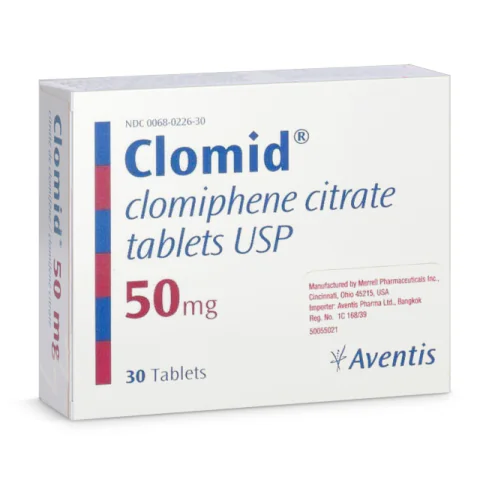
Clomid (Clomiphene) for Female Infertility in the United States: The Complete Evidence-Based Guide
Can Clomid Be Obtained Without a Prescription in the United States?
No, Clomid (clomiphene) is a prescription-only medication in the United States. It is illegal and unsafe to purchase or use Clomid without a valid prescription from a licensed healthcare provider. Self-medicating or ordering Clomid from unverified online sources carries significant health and legal risks.
In Brief: Key Facts About Clomid
| Parameter | Details (2026, USA) |
|---|---|
| Active Ingredient | Clomiphene citrate |
| Primary Use | Female infertility due to ovulatory dysfunction |
| Prescription Required? | Yes (by US law; FDA regulated) |
| Typical Starting Dose | 50 mg/day for 5 days |
| Time to Effect | Ovulation expected 5–10 days after last dose |
| Main Contraindication | Liver disease, pregnancy, ovarian cyst not due to PCOS |
| Approximate Price (Generic Clomiphene) | $20–$80 per treatment cycle (prescription fills vary by pharmacy and insurance) |
How Does Clomid Work to Treat Infertility?
Clomid (clomiphene citrate) is a selective estrogen receptor modulator (SERM). In practical terms, Clomid binds to estrogen receptors in the hypothalamus (part of the brain controlling hormones), blocking natural estrogen from being detected. This “tricks” the body into thinking estrogen levels are low.
As a result, the hypothalamus increases production of gonadotropin-releasing hormone (GnRH), which stimulates the pituitary gland to release more follicle-stimulating hormone (FSH) and luteinizing hormone (LH). Higher FSH and LH levels drive the ovaries to mature and release eggs (ovulation).
Biochemical summary:
- Clomiphene blocks estrogen receptors in the hypothalamus
- GnRH increases → pituitary releases more FSH and LH
- FSH/LH stimulate follicles → ovulation occurs
Simplified metaphor: Imagine your brain as a thermostat. Clomid makes the thermostat “think” the room is cold (low estrogen), so it turns up the heat (FSH/LH) until ovulation happens.
Note: Clomid is not effective for infertility due to problems outside of ovulation (e.g., blocked fallopian tubes). It requires a functioning hypothalamic-pituitary-ovarian axis to work.
Clinical evidence: Multiple recent studies confirm ovulation rates of 70–80% in appropriately selected patients, with live birth rates of 25–30% after three cycles.
FDA, PubMed, American College of Obstetricians and Gynecologists
Expert Commentary from doctor
In my clinical practice, misunderstandings about Clomid are common. Many patients believe Clomid guarantees pregnancy after one cycle, but that’s unrealistic—while ovulation rates are high, actual pregnancy rates per cycle are much lower. It’s crucial to have realistic expectations and to complete a thorough infertility workup first. I’ve seen patients self-dose or extend cycles without doctor supervision, which increases risks like ovarian hyperstimulation and cysts. Another issue: missing the optimal window for intercourse or insemination. My advice—never start Clomid unless you’ve confirmed that your tubes are patent and your partner’s sperm count is normal. Track ovulation closely and communicate with your fertility specialist at every step.
What Is the Typical Dosage and How Is Clomid Taken?
- Standard starting dose:
- 50 mg by mouth once daily for 5 days, beginning on day 3, 4, or 5 of the menstrual cycle.
- How many cycles?
- If ovulation does not occur, the dose can be increased in 50 mg increments up to a maximum of 150 mg/day (max 5 days per cycle). No more than 6 cycles should be attempted in total.
- Peak effect:
- Ovulation is expected 5–10 days after the last tablet.
- Tablet splitting:
- Most Clomid and generic clomiphene tablets are scored and can be split, but always follow the prescribing physician’s instructions as inactive ingredients may vary between brands.
- Special populations:
-
- Elderly: Clomid is generally not indicated (not used) in postmenopausal women.
- Renal impairment: No specific dose adjustment, but use with caution if severe kidney disease.
- Liver disease: Contraindicated—do not use.
Never exceed 150 mg per day or 6 cycles in total. Prolonged or higher dosing increases risk of serious side effects and has not proven to be more effective.
Peak fertility window: Intercourse or planned insemination is recommended 5–10 days after last dose.
Effects of Food, Alcohol, and Lifestyle on Clomid
| Product/Lifestyle | Can Be Combined? | Consequences/Notes |
|---|---|---|
| Food (any) | Yes | No significant effect on absorption; take at same time daily for consistency |
| High-Fat Meals | Yes | May slightly slow absorption, but not clinically significant |
| Alcohol | Use with caution | Increases liver load; may worsen side effects (dizziness, mood swings) |
| Grapefruit Juice | Caution | No known direct interaction, but theoretically may alter liver enzymes. Best avoided. |
| Nicotine/Tobacco | Not recommended | Smoking decreases overall fertility and success of ovulation induction |
Bottom line: Take Clomid at the same time each day, with or without food. Limit or avoid alcohol and smoking while using Clomid to maximize chances of success and reduce side effect risk.
Who Should NOT Take Clomid? (Absolute and Relative Contraindications)
- Absolute Contraindications:
- Pregnancy (known or suspected)
- Liver disease (current or history of abnormal liver function)
- Unexplained abnormal uterine bleeding
- Ovarian cyst not caused by polycystic ovary syndrome (PCOS)
- Unmanaged thyroid or adrenal dysfunction
- Hypersensitivity to clomiphene or any excipient in the formulation
- Relative Contraindications:
- Endometriosis (may worsen the condition)
- Fibroids (risk of exacerbation)
- Severe depression or psychiatric disorders
- Visual disturbances in previous cycles (risk of recurrence)
Important: Clomid should never be used if you are already pregnant, have active liver disease, or have ovarian enlargement/cysts unrelated to PCOS. Always undergo a full evaluation before starting therapy.
What Side Effects Are Most Common with Clomid?
| Frequency | Side Effects | Mechanism (if known) |
|---|---|---|
| Very common (>1 in 10) | Hot flashes, abdominal discomfort, breast tenderness | Estrogen receptor modulation |
| Common (1–10 in 100) | Nausea, headache, mood swings, visual disturbances (blurring, spots), bloating | Hormonal shifts and neurostimulation |
| Uncommon (1–10 in 1,000) | Ovarian cyst formation, ovarian hyperstimulation syndrome (OHSS), hair thinning | Overstimulation of ovaries |
| Rare (<1 in 1,000) | Thrombosis (blood clots), cholestatic jaundice, seizures | Unknown; possibly related to estrogenic effects |
| Very rare | Severe visual changes, allergic reactions (rash, swelling) | Hypersensitivity |
If any serious side effect develops (e.g., visual loss, severe pain, breathing trouble), stop taking Clomid and seek immediate medical attention.
Tip: Most side effects, such as hot flashes and mood swings, are temporary and resolve after stopping the medication.
Common Patient Mistakes Observed by doctor
- Starting Clomid without a complete fertility workup: This often leads to frustration and wasted cycles if the real cause of infertility is not ovulatory.
- Self-adjusting the dose or extending the cycle: Increasing the dose or duration without medical guidance raises the risk of ovarian hyperstimulation or cyst formation.
- Missing the timing for intercourse or insemination: Clomid only triggers ovulation; pregnancy chances depend on precise timing.
- Ignoring or underreporting side effects: Visual disturbances and mood changes can be dangerous if not communicated to your provider.
- Using Clomid for more than 6 cycles: Prolonged use may increase the risk of ovarian tumors and does not improve pregnancy rates after six unsuccessful cycles.
- Obtaining Clomid from unverified online sources: Counterfeit or improperly stored medication can be ineffective or harmful.
How to avoid these mistakes? Always work with a board-certified reproductive endocrinologist, and never change your dose or schedule without direct instructions.
How Does Clomid Compare with Other Infertility Treatments?
| Medication | Main Use | Typical Success Rate (Ovulation) | Common Side Effects | Approximate Cost per Cycle (USD) | Prescription Needed? |
|---|---|---|---|---|---|
| Clomid (clomiphene) | Ovulatory infertility (1st line) | 70–80% | Hot flashes, mood swings, cysts | $20–$80 | Yes |
| Letrozole (Femara) | PCOS, ovulatory infertility (now often 1st line too) | 70–80% | Fatigue, dizziness, hot flashes | $30–$100 | Yes |
| Gonadotropins (injectables) | Anovulation resistant to oral meds | 80–90% | OHSS, multiple birth risk | $1,000–$4,000 | Yes |
- Clomid is usually first-line due to low cost and ease of use, but letrozole is now considered equally effective (and sometimes superior for PCOS).
- Gonadotropin injections are much more expensive and carry higher risks, typically reserved for those who do not respond to oral agents.
- Insurance coverage varies widely; check your US insurance plan for infertility benefits.
Questions Frequently Asked to doctor
- Is it safe to take Clomid if I have mild liver problems?
- No, Clomid is contraindicated in any current or past significant liver disease because it is metabolized in the liver. Even mild liver dysfunction can increase the risk of toxicity.
- Can I drink alcohol while on Clomid?
- Small amounts of alcohol are unlikely to cause a direct interaction, but alcohol increases liver strain and may worsen mood changes or dizziness. It’s safest to minimize or avoid alcohol during your cycle.
- What should I do if I miss a dose?
- Take the missed dose as soon as you remember, unless it’s almost time for your next dose—then skip the missed one. Never double up. Notify your doctor if you miss more than one dose in a cycle.
- Can I use Clomid for more than 6 cycles if I still haven’t conceived?
- No. Studies show that pregnancy rates plateau after 3–6 cycles; continuing beyond that increases long-term risks without improving outcome. Alternative evaluation or therapies should be considered.
- Will Clomid affect my ability to drive?
- Most people do not experience sedation, but rare visual disturbances or dizziness can impair your ability to drive. If you notice vision changes, do not drive and alert your doctor immediately.
- Is Clomid safe for women over 40?
- While it can be used, success rates decline significantly with age. Risks of multiple pregnancy and miscarriage are higher. Discuss other strategies with your fertility specialist.
- Can Clomid be used by men?
- Clomid has been used off-label for male infertility, but this is not an FDA-approved indication, and benefits are less clear. Use only under the supervision of a reproductive urologist.
Clomid at a Glance: Structured Data Table
| Parameter | Details |
|---|---|
| Active ingredient | Clomiphene citrate |
| Pharmacological group | SERM (Selective Estrogen Receptor Modulator) |
| Mechanism | Blocks hypothalamic estrogen receptors, increases FSH/LH secretion |
| Bioavailability | Well absorbed orally |
| Half-life (T1/2) | 5–7 days (may persist longer in adipose tissue) |
| Metabolism | Primarily hepatic (liver) |
| Elimination | Via feces (major), urine (minor) |
| Prescription required | Yes, by US federal law |
| Available forms | Tablets (50 mg most common) |
| Insurance coverage | Varies by plan; check with your insurer |
How to Obtain Clomid Legally in the United States: Step-by-Step Guide
- Consult a licensed healthcare provider: Schedule an in-person or telehealth appointment with an OB/GYN or reproductive endocrinologist (available in cities like New York, Chicago, Los Angeles, Houston, and via national telemedicine services).
- Undergo a fertility evaluation: Your provider may order blood tests, imaging, and a partner sperm analysis to confirm eligibility for ovulation induction.
- Receive a prescription: If appropriate, your doctor will write a prescription, typically for one cycle at a time.
- Fill the prescription: Take your prescription to a licensed US pharmacy (e.g., CVS, Walgreens, Rite Aid, or a local independent pharmacy) or use a verified online/mail-order pharmacy with a valid US license.
- Start therapy as instructed: Follow your provider’s dosing schedule. Do not adjust the dose or duration on your own.
Note: Beware of non-US or unverified online pharmacies claiming to sell Clomid without a prescription; these are likely illegal and dangerous. Use pharmacies verified by the NABP accreditation system (“.pharmacy” domain).
How to Identify Genuine Clomid and Avoid Counterfeit Products
- Original Clomid packaging in the US: Blister packs labeled with the brand “Clomid” (or “clomiphene citrate” for generics), lot number, expiration date, and manufacturer (e.g., Sanofi or a major US generic company).
- Physical characteristics: Tablets are typically white, round, and scored, with clear imprint codes. Packaging includes a patient information leaflet in English mandated by the FDA.
- Security features: Many brands use holograms, QR codes, or tamper-evident seals. Always check for these.
- Suspicious signs: Unusually low price, missing US pharmacy labeling, foreign language on the pack, or lack of NABP “Verified Internet Pharmacy Practice Sites” (VIPPS) certification.
- Generics vs. Original: FDA-approved generics contain the same active ingredient and must meet strict US quality and efficacy standards. Inactive ingredients (excipients) may differ but do not affect fertility outcomes for most users. If you have known allergies to certain fillers, discuss with your pharmacist.
- Never buy Clomid from: Sites that do not require a prescription, “gray market” vendors, or international sellers not licensed in the US. Risk of counterfeits, customs seizure, and legal action is high.
What to Do in Case of Overdose of Clomid?
- Stop taking Clomid immediately.
- Call the Poison Control Center (1-800-222-1222) or seek emergency medical assistance (call 911 in the US).
- Inform the responding physician of the total dose taken and the timing.
- Bring the original packaging for identification.
- Do not attempt to induce vomiting unless specifically instructed by medical personnel.
Symptoms of overdose may include nausea, vomiting, visual disturbances, or ovarian enlargement. Prompt medical attention is critical.
Special Populations: Safety in Different Patient Groups
- Women over 40: Clomid is less effective, with higher risks of multiple pregnancy and miscarriage. Alternative therapies or IVF may be considered.
- Women with PCOS: Letrozole is now often preferred as first-line, but Clomid remains an option, especially if letrozole is not tolerated.
- History of depression: Mood changes can be exacerbated; close monitoring required.
- Renal impairment: No specific adjustments, but caution if severe.
- Ability to drive: Most can drive, but if you experience vision changes or severe headaches, avoid operating vehicles or machinery until symptoms resolve.
Psychological Support and Counseling Around Infertility
Facing infertility is emotionally challenging and common—about 10–15% of couples in the United States experience some form of infertility. Feelings of anxiety, frustration, or isolation are understandable. Remember, seeking medical help and support from partners, counselors, or infertility support groups can make the journey far less overwhelming. Don’t hesitate to ask your provider for a referral to a fertility counselor or local support resources.
Professional Opinion of doctor
In my experience, Clomid is most beneficial for women under 35 with irregular or absent ovulation but otherwise normal anatomy and partner fertility. It’s a reliable, low-cost first-line option for many, but it’s not a miracle drug—success depends on careful patient selection, adherence, and a comprehensive approach to infertility. Risks are low with proper use, but I remind patients never to exceed the prescribed duration since longer courses don’t add benefit and may carry long-term risks. For women with PCOS, letrozole can sometimes offer better pregnancy rates. For those with blocked tubes, severe endometriosis, or failed oral induction, in vitro fertilization or advanced therapies may be preferable. Bottom line: Clomid can be safe and effective if prescribed and monitored by a specialist—not as a shortcut or a one-size-fits-all solution.
Frequently Asked Questions (FAQ)
- Is Clomid available over the counter in the US?
- No, it is only available by prescription from a licensed US provider.
- How quickly does Clomid work?
- Ovulation typically occurs 5–10 days after the last tablet in each cycle.
- Can Clomid be purchased online safely?
- Only from legitimate, US-licensed pharmacies that require a prescription. Many sites selling without a prescription are illegal or unsafe.
- Is Clomid covered by insurance?
- Coverage varies by insurance plan and state. Some plans cover infertility drugs, others do not; check with your insurer.
- Can men use Clomid for infertility?
- It is sometimes used off-label for male infertility, but only under specialist supervision.
- Are there alternatives to Clomid?
- Yes, letrozole (Femara) and injectable gonadotropins are alternatives, depending on the cause and response.
- What is the cost of Clomid per cycle?
- Generic clomiphene typically costs $20–$80 per treatment cycle, before insurance.
- What should I do if I experience visual disturbances?
- Stop Clomid immediately and notify your physician; do not restart until cleared.
- Is there a risk of multiple pregnancy?
- Yes, there is a 5–10% risk of twins and a very small risk of higher-order multiples.
- How many cycles can I safely use Clomid?
- No more than 6 cycles are recommended due to diminishing returns and potential risks.
References
- U.S. Food & Drug Administration (FDA): Drug Approvals and Databases
- American College of Obstetricians and Gynecologists (ACOG): Infertility Workup for the Woman
- Homburg R. Clomiphene citrate—end of an era? A mini-review. Human Reproduction Update, 2023.
- Mayo Clinic: Clomiphene (Oral Route) Description and Brand Names
- Eunice Kennedy Shriver National Institute of Child Health and Human Development: Infertility Treatments
- ClinicalTrials.gov
- Centers for Disease Control and Prevention: Infertility
- National Association of Boards of Pharmacy: Verified Pharmacy Program
- Poison Control Center (1-800-222-1222)